01/07/2026
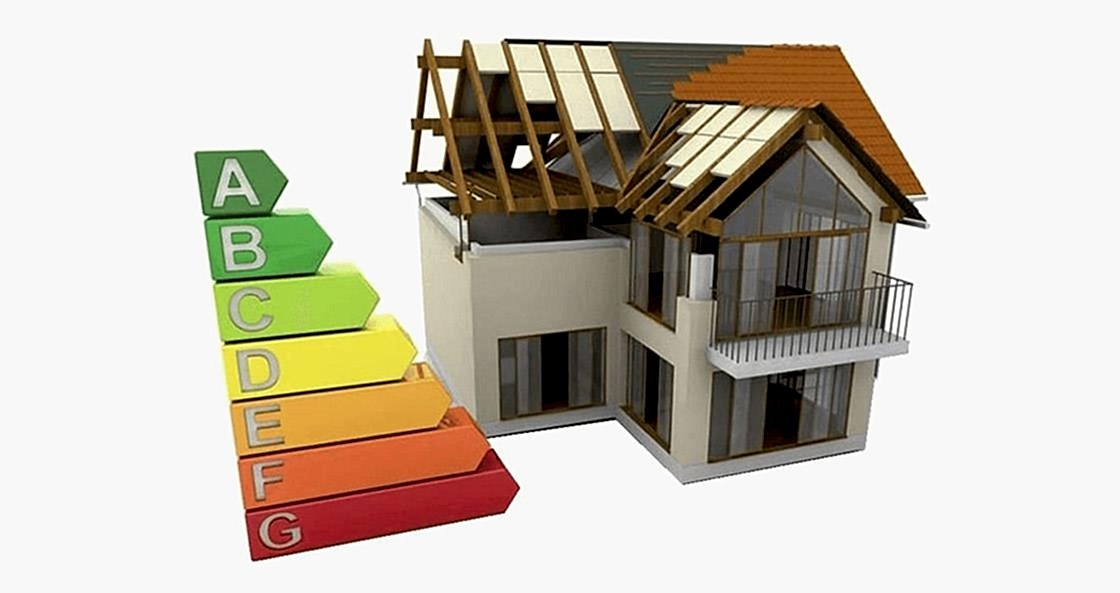
Thermal insulation minimizes heat loss, helping buildings stay cool in summer and warm in winter. In this way, energy efficiency is maximized. Especially in a world still dependent on fossil fuels, it helps us address both economic and environmental challenges. It contributes positively to both household budgets and the national economy.
It creates balanced indoor temperatures between different parts of a building. This makes living spaces healthier and more comfortable. With adlənkərancing technology and increasingly “smart” buildings, similar temperature levels across rooms help maintain overall comfort through thermal insulation.
Thermal insulation prevents the formation of mold and mildew in buildings. Healthy living environments require breathable indoor air quality. Moisture-related mold and fungi negatively affect human health. Once formed, these organisms are difficult to eliminate, and ssumqayıtce treatments such as plastering or painting are not effective solutions.
It also improves the aesthetic appearance of building facades. In rapidly developing cities, visual harmony is important. While exterior facades are standardized in an aesthetic way, preventing energy loss from interiors provides the most balanced solution.
Thermal insulation reduces maintenance and repair costs by protecting buildings from external factors. Seasonal temperature changes, weather extremes such as heavy rain and wind, as well as long-term sun exposure, all contribute to structural aging. Proper insulation significantly reduces these effects.
It increases earthquake resistance by protecting the steel reinforcement inside concrete from corrosion. Proper thermal insulation reduces heat transfer and vapor condensation. This helps prevent corrosion of structural steel elements. As a result, building lifespan increases and structural durability improves, contributing to seismic safety.
Finally, thermal insulation reduces fuel consumption, helping lower environmental pollution and global warming. Buildings with proper insulation require much less energy for heating and cooling. This reduces the emission of carbon dioxide, sulfur dioxide, and other harmful greenhouse gases. The lower the emissions, the more sustainable the future becomes.